- Meet Our Doctors -
Meet Our Doctors

Lyoo
Jungkyu
Medical
Director· Current Medical Director, JARADA Clinic
· Former Medical Director, Ryui Hair Transplant Center
· Former Director, Nobleline Hair Transplant Center
· M.D., Hallym University College of Medicine
· Full Member, Korean Society of Hair Restoration Surgery
· Member, Korean Non-Incision Hair Transplant Study Group
· Member, Korean Society of Cosmetic Dermatology and Plastic Surgery
· Member, Korean Society of Aesthetic Surgery
· Co-author, “Trichology: All About Non-Surgical Hair Loss
Treatment and Non-Incision Hair Transplant” (Korean)
Choi
Yun-ang
Medical
Director· Current Medical Director, JARADA Clinic
· Former Medical Director, Rizmo Clinic Daejeon (Hair Transplant & Hair Loss Treatment)
· M.S. in Medicine, Seoul National University College of Medicine
· Ph.D. in Medicine, Seoul National University College of Medicine
· Korean board-certified emergency medicine specialist
· Completed internship, residency and fellowship at Seoul National University Hospital
· Former Clinical Professor, Seoul National University Hospital
· Adjunct Professor, Seoul National University College of Medicine
· Full Member, Korean Society of Hair Restoration Surgery
· Member, Korean Non-Incision Hair Transplant Study Group
· Full Member, Korean Association for Laser, Dermatology, and Trichology (KALDAT)
· Full Member, Aesthetic Surgery & Laser Society (ASLS)
Lyoo
Jungkyu
Medical
Director
· Current Medical Director, JARADA Clinic
· Former Medical Director, Ryui Hair Transplant Center
· Former Director, Nobleline Hair Transplant Center
· M.D., Hallym University College of Medicine
· Full Member, Korean Society of Hair Restoration Surgery
· Member, Korean Non-Incision Hair Transplant Study Group
· Member, Korean Society of Cosmetic Dermatology and Plastic Surgery
· Member, Korean Society of Aesthetic Surgery
· Co-author, “Trichology: All About Non-Surgical Hair Loss
Treatment and Non-Incision Hair Transplant” (Korean)
Choi
Yun-ang
Medical
Director
· Current Medical Director, JARADA Clinic
· Former Medical Director, Rizmo Clinic Daejeon (Hair Transplant & Hair Loss Treatment)
· M.S. in Medicine, Seoul National University College of Medicine
· Ph.D. in Medicine, Seoul National University College of Medicine
· Korean board-certified emergency medicine specialist
· Completed internship, residency and fellowship at Seoul National University Hospital
· Former Clinical Professor, Seoul National University Hospital
· Adjunct Professor, Seoul National University College of Medicine
· Full Member, Korean Society of Hair Restoration Surgery
· Member, Korean Non-Incision Hair Transplant Study Group
· Full Member, Korean Association for Laser, Dermatology, and Trichology (KALDAT)
· Full Member, Aesthetic Surgery & Laser Society (ASLS)
- FUE Hair Transplant -
FUE Hair Transplant
※ This video is in Korean.
From start to finish,
consistency from one pair of hands
When several people place the grafts, the angle and direction of the hair can shift slightly. At JARADA, one doctor handles your surgery from start to finish. That way, the hairline details we designed at the start are carried through with care, down to the last hair.

※ This video is in Korean.
We don’t overlook
even a 0.1% loss.
In the end, a hair transplant depends on graft survival: how well the grafts take root and stay healthy. At JARADA, we aim to keep graft loss under 2%. During surgery, we keep checking for errors and share the data as we go. We obsess over the numbers because, at JARADA, honesty comes before skill.

※ This video is in Korean.
There’s a reason
JARADA chooses FUE.
It comes from one principle: no strip incision, and no compromise on results. Rather than settling for what’s convenient, we aim for both results you’re happy with and a quicker return to daily life. That’s why JARADA keeps going deeper with FUE (follicular unit extraction).

※ This video is in Korean.
※ Please contact us about costs. Results and risks vary from person to person, and we explain the details during your consultation.
Why it’s worth watching
progress videos closely
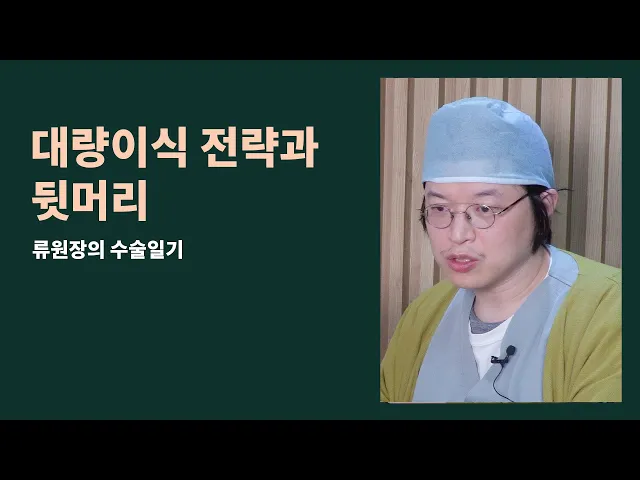
In photos, hair can look fuller just by changing the angle. At JARADA, we show you on video, from the front, both sides and the back, combing the hair against its direction to check for any gaps. That way, you can see for yourself a density you can feel good about from any angle.
※ This video is in Korean.
An all-around design that considers
your scalp’s condition, too
Anyone can simply harvest as many grafts as possible. But getting a good result while preserving the hair on the back of your head for the future takes careful strategy. JARADA doesn’t rush to fill in just for today. We plan the position of every graft with how you’ll look in 5 and 10 years in mind. We follow the recovery of the back of your head for more than a year after surgery, because that’s what real medical responsibility means to us.
※ This video is in Korean.
From start to finish,
consistency from one pair of hands
When several people place the grafts, the angle and direction of the hair can shift slightly. At JARADA, one doctor handles your surgery from start to finish. That way, the hairline details we designed at the start are carried through with care, down to the last hair.
※ This video is in Korean.
We don’t overlook
even a 0.1% loss.
In the end, a hair transplant depends on graft survival: how well the grafts take root and stay healthy. At JARADA, we aim to keep graft loss under 2%. During surgery, we keep checking for errors and share the data as we go. We obsess over the numbers because, at JARADA, honesty comes before skill.
※ This video is in Korean.
There’s a reason
JARADA chooses FUE.
It comes from one principle: no strip incision, and no compromise on results. Rather than settling for what’s convenient, we aim for both results you’re happy with and a quicker return to daily life. That’s why JARADA keeps going deeper with FUE (follicular unit extraction).
※ This video is in Korean.
※ Please contact us about costs. Results and risks vary from person to person, and we explain the details during your consultation.
Why it’s worth watching
progress videos closely
In photos, hair can look fuller just by changing the angle. At JARADA, we show you on video, from the front, both sides and the back, combing the hair against its direction to check for any gaps. That way, you can see for yourself a density you can feel good about from any angle.
※ This video is in Korean.
An all-around design that considers
your scalp’s condition, too
Anyone can simply harvest as many grafts as possible. But getting a good result while preserving the hair on the back of your head for the future takes careful strategy. JARADA doesn’t rush to fill in just for today. We plan the position of every graft with how you’ll look in 5 and 10 years in mind. We follow the recovery of the back of your head for more than a year after surgery, because that’s what real medical responsibility means to us.
From start to finish,
consistency from one pair of hands
From start to finish, consistency from one pair of hands
When several people place the grafts, the angle and direction of the hair can shift slightly. At JARADA, one doctor handles your surgery from start to finish. That way, the hairline details we designed at the start are carried through with care, down to the last hair.
※ This video is in Korean.
We don’t overlook
even a 0.1% loss.
We don’t overlook even a 0.1% loss.
In the end, a hair transplant depends on graft survival: how well the grafts take root and stay healthy. At JARADA, we aim to keep graft loss under 2%. During surgery, we keep checking for errors and share the data as we go. We obsess over the numbers because, at JARADA, honesty comes before skill.
※ This video is in Korean.
There’s a reason
JARADA chooses FUE.
There’s a reason JARADA chooses FUE.
It comes from one principle: no strip incision, and no compromise on results. Rather than settling for what’s convenient, we aim for both results you’re happy with and a quicker return to daily life. That’s why JARADA keeps going deeper with FUE (follicular unit extraction).
※ This video is in Korean.
Why it’s worth watching
progress videos closely
Why it’s worth watching progress videos closely
In photos, hair can look fuller just by changing the angle. At JARADA, we show you on video, from the front, both sides and the back, combing the hair against its direction to check for any gaps. That way, you can see for yourself a density you can feel good about from any angle.
※ This video is in Korean.
※ Please contact us about costs. Results and risks vary from person to person, and we explain the details during your consultation.
An all-around design that considers
your scalp’s condition, too
An all-around design that considers your scalp’s condition, too
Anyone can simply harvest as many grafts as possible. But getting a good result while preserving the hair on the back of your head for the future takes careful strategy. JARADA doesn’t rush to fill in just for today. We plan the position of every graft with how you’ll look in 5 and 10 years in mind. We follow the recovery of the back of your head for more than a year after surgery, because that’s what real medical responsibility means to us.
※ This video is in Korean.
Explore the cases people ask about most at JARADA
Tap a category to watch the before & after videos.
※ Treatment: FUE hair transplant. Grafts are taken one at a time, mainly from the back of the head, and placed in thinning areas.
※ Costs vary with the number of grafts and the area treated. Please contact us about costs.
※ Main risks and side effects include swelling, scabs, temporary shedding, folliculitis, and redness or small dot-like scars in the donor area. Results and risks vary from person to person, and we explain the details during your consultation.
※ These videos are in Korean.
- Non-Surgical Care & Aesthetics -
Non-Surgical Care &
Aesthetics

Scalp Relaxing Injection
Ease a stiff, tense scalp and let it breathe.
A botulinum toxin injection for the scalp relaxes overly tense muscles to support blood flow, and helps regulate sweat and oil for a more comfortable scalp. Like clearing a clogged drain, it helps keep substances linked to hair loss from building up. Think of it as a first step toward a cleaner scalp. Once every 3 months, give your scalp a break.

PDRN (Salmon DNA Care)
Salmon-derived ingredients used in skin care, now for your scalp.
Using a salmon-derived ingredient considered close to human DNA, it calms a sensitive scalp and supports the repair of damaged tissue. More than just nourishment, it’s a “regeneration program” that helps new blood vessels form and strengthens the scalp’s own resilience. We recommend steady care every 2 weeks.

EXOSOME (stem cell-derived exosomes)
A wake-up signal for dormant follicle cells.
Exosomes, now drawing attention in beauty and medicine, are tiny messengers that carry signals between cells. They deliver stem cell-derived growth signals directly to the follicles, supporting a healthier scalp environment and hair regeneration. If the earlier programs prepare the soil, exosomes act as a “growth booster.”

PRP (Platelet-Rich Plasma)
Concentrating your body’s own power for a recovery that’s truly yours.
PRP uses concentrated growth factors taken from your own blood, so the treatment works with your body’s own components. The rich growth factors act on follicle cells and support thicker, stronger hair growth. It’s a treatment studied in many clinical trials that makes use of your body’s own power.

Triamcinolone (Steroid Injection)
Calming the sudden scalp “storm” that holds back growth.
Sudden or patchy hair loss can be caused by an overactive immune response in the scalp. This program uses a small amount of medication to calm acute inflammation and protect the follicles under attack, much like “emergency soothing care.” It helps create an environment where your scalp can settle down and grow healthy hair again.

Microneedling (MTS)
Opening a pathway in your scalp so helpful ingredients can reach deeper.
When fine needles give the scalp tiny stimuli, your body naturally sends out recovery signals to heal it. This not only activates the follicles but also opens a pathway that helps active ingredients used alongside, like PDRN or exosomes, reach deep into the scalp. It’s an important step that helps the programs work better together.

ARCHE
(Low-Molecular Chitosan Care)A gentle, nature-derived barrier to give your tired scalp a rest.
Natural chitosan from mushrooms forms a very thin, clear “film” over a dry, sensitive scalp. Its fine, low-molecular particles reach deep into the follicles to act on the cells, while forming an antibacterial layer that protects the scalp from outside irritants. It helps restore the damaged barrier and calm inflammation, preparing clean ground where hair can grow on its own.
Scalp Relaxing Injection
Ease a stiff, tense scalp and let it breathe.
A botulinum toxin injection for the scalp relaxes overly tense muscles to support blood flow, and helps regulate sweat and oil for a more comfortable scalp. Like clearing a clogged drain, it helps keep substances linked to hair loss from building up. Think of it as a first step toward a cleaner scalp. Once every 3 months, give your scalp a break.
PDRN (Salmon DNA Care)
Salmon-derived ingredients used in skin care, now for your scalp.
Using a salmon-derived ingredient considered close to human DNA, it calms a sensitive scalp and supports the repair of damaged tissue. More than just nourishment, it’s a “regeneration program” that helps new blood vessels form and strengthens the scalp’s own resilience. We recommend steady care every 2 weeks.
EXOSOME (stem cell-derived exosomes)
A wake-up signal for dormant follicle cells.
Exosomes, now drawing attention in beauty and medicine, are tiny messengers that carry signals between cells. They deliver stem cell-derived growth signals directly to the follicles, supporting a healthier scalp environment and hair regeneration. If the earlier programs prepare the soil, exosomes act as a “growth booster.”
PRP (Platelet-Rich Plasma)
Concentrating your body’s own power for a recovery that’s truly yours.
PRP uses concentrated growth factors taken from your own blood, so the treatment works with your body’s own components. The rich growth factors act on follicle cells and support thicker, stronger hair growth. It’s a treatment studied in many clinical trials that makes use of your body’s own power.
Triamcinolone (Steroid Injection)
Calming the sudden scalp “storm” that holds back growth.
Sudden or patchy hair loss can be caused by an overactive immune response in the scalp. This program uses a small amount of medication to calm acute inflammation and protect the follicles under attack, much like “emergency soothing care.” It helps create an environment where your scalp can settle down and grow healthy hair again.
Microneedling (MTS)
Opening a pathway in your scalp so helpful ingredients can reach deeper.
When fine needles give the scalp tiny stimuli, your body naturally sends out recovery signals to heal it. This not only activates the follicles but also opens a pathway that helps active ingredients used alongside, like PDRN or exosomes, reach deep into the scalp. It’s an important step that helps the programs work better together.
ARCHE (Low-Molecular Chitosan Care)
A gentle, nature-derived barrier to give your tired scalp a rest.
Natural chitosan from mushrooms forms a very thin, clear “film” over a dry, sensitive scalp. Its fine, low-molecular particles reach deep into the follicles to act on the cells, while forming an antibacterial layer that protects the scalp from outside irritants. It helps restore the damaged barrier and calm inflammation, preparing clean ground where hair can grow on its own.
※ Please contact us about costs. Results and risks vary from person to person, and we explain the details during your consultation.
Learn about Total Hair Care, which looks after your scalp and overall health →
Learn about Total Hair Care,
which looks after your scalp and overall health →
FAQ
FAQ
We picked the questions that drew the most interest on our YouTube channel, JARADA TV.
We picked the questions that drew the most interest on our YouTube channel, JARADA TV.
For any other questions, please email us at contact@jarada.kr. We’ll get back to you after reviewing your message.
For any other questions, please email us at contact@jarada.kr. We’ll get back to you after reviewing your message.
I’ve lost a lot of hair. Is surgery my only option?
Does FUE have side effects, too? I’m really worried about scarring and pain.
I need to get back to daily life right after surgery. Do I have to shave my head?
I’d like to switch from finasteride to dutasteride. I’m worried about side effects. Is that okay?
What side effects can hair loss medication cause?
In consultations, each clinic recommends a different number of grafts. Why is that?
Will transplanted hair last a lifetime? What if my original hair falls out later?
It’s been about a week since my hair transplant. Can I wear a hat now, or play intense sports like tennis? I’m worried the grafted area might rub.
Why are grafts harvested and transplanted in several rounds instead of all at once? Doesn’t that make the surgery take longer?
It’s been about 10 days since surgery, and there are no scabs on my scalp at all. Does that mean the grafts didn’t take?
I want my hair as dense as it used to be. Is packing in as much density as possible always better?
We’re planning to get pregnant soon. If my husband keeps taking hair loss medication, could it affect the baby?
Topical or oral minoxidil: do they work the same?
I was told I don’t have enough donor hair on the back of my head. Are there other options?
After my hair transplant, my forehead and face are very swollen. Did something go wrong with the surgery?
No one in my family has hair loss. Why am I seeing signs of it in my early 20s?
As menopause approaches, my hair seems much thinner. Is hair loss really linked to menopause?
Can “diffuse hair loss,” where hair thins all over rather than in one area, get better, too?

We see you, beyond your fears.
A journey to confidence, with JARADA
Business Name
JARADA Clinic
Representative
Lyoo Jungkyu
Business Registration No.
254-45-00364
Address
174 Gwangnaru-ro, Seongdong-gu,
Seoul (JARADA Bldg.)
(서울 성동구 광나루로 174 자라다빌딩)







© Copyright 2026 Jarada. All rights reserved
We see you, beyond your fears.
A journey to confidence, with JARADA
Business Name
JARADA Clinic
Representative
Lyoo Jungkyu
Business Registration No.
254-45-00364
Address
174 Gwangnaru-ro, Seongdong-gu,
Seoul (JARADA Bldg.)
(서울 성동구 광나루로 174 자라다빌딩)
© Copyright 2026 Jarada. All rights reserved
We see you,
beyond your fears.
A journey to confidence,
with JARADA
Business Name
JARADA Clinic
Representative
Lyoo Jungkyu
Business Registration No.
254-45-00364
Address
174 Gwangnaru-ro,
Seongdong-gu, Seoul
(JARADA Bldg.)
(서울 성동구 광나루로
174 자라다빌딩)
© Copyright 2026 Jarada. All rights reserved
Contact